

TransFarm
ended
TransFarm
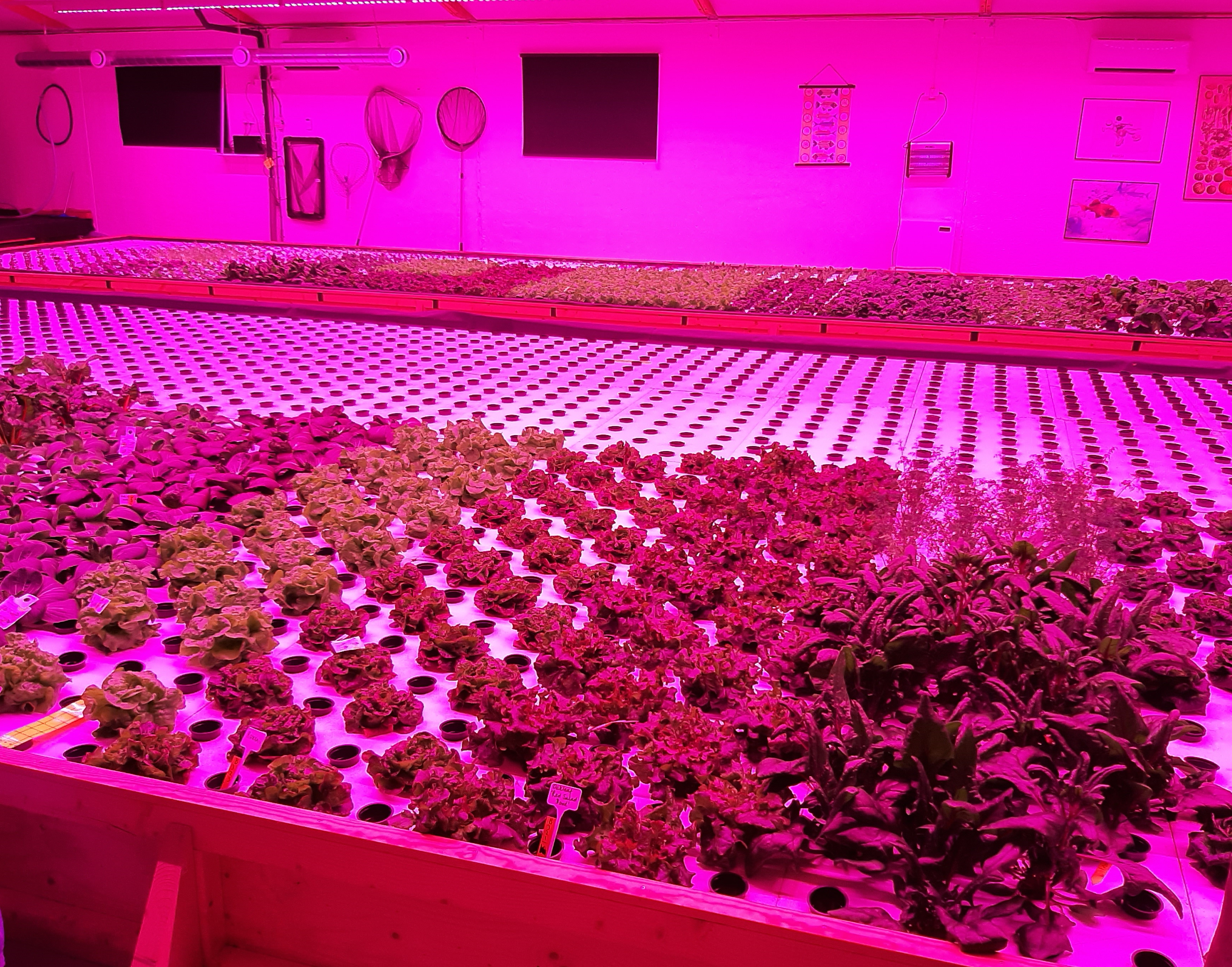
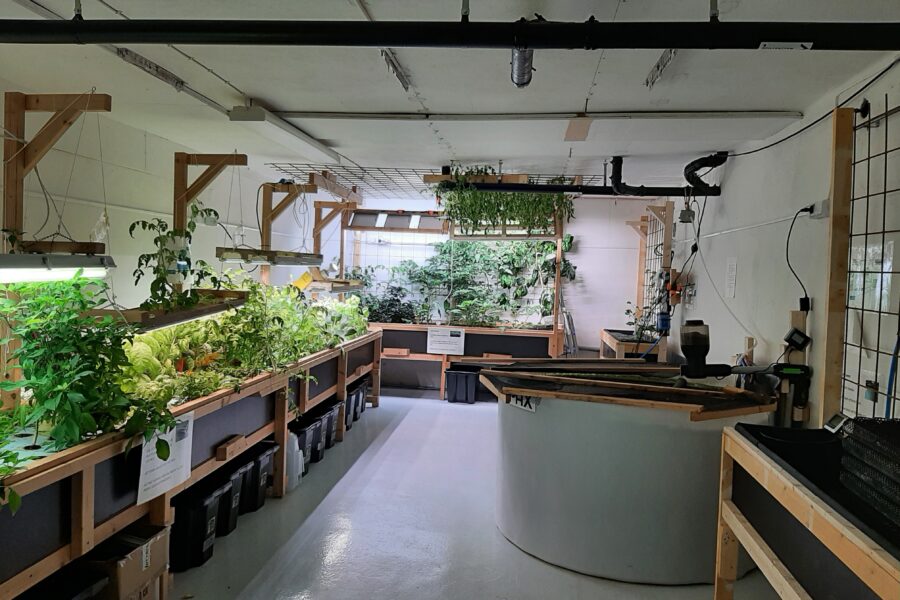
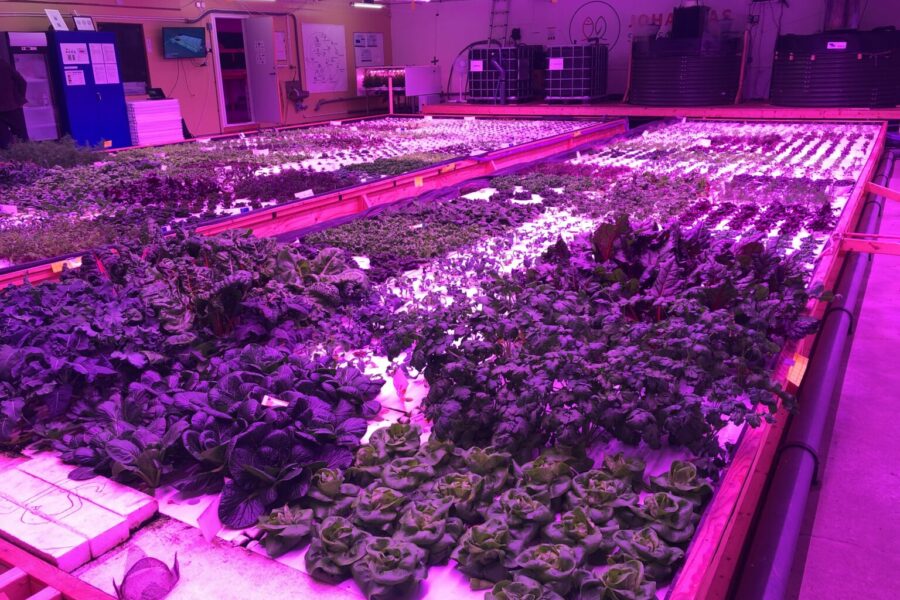
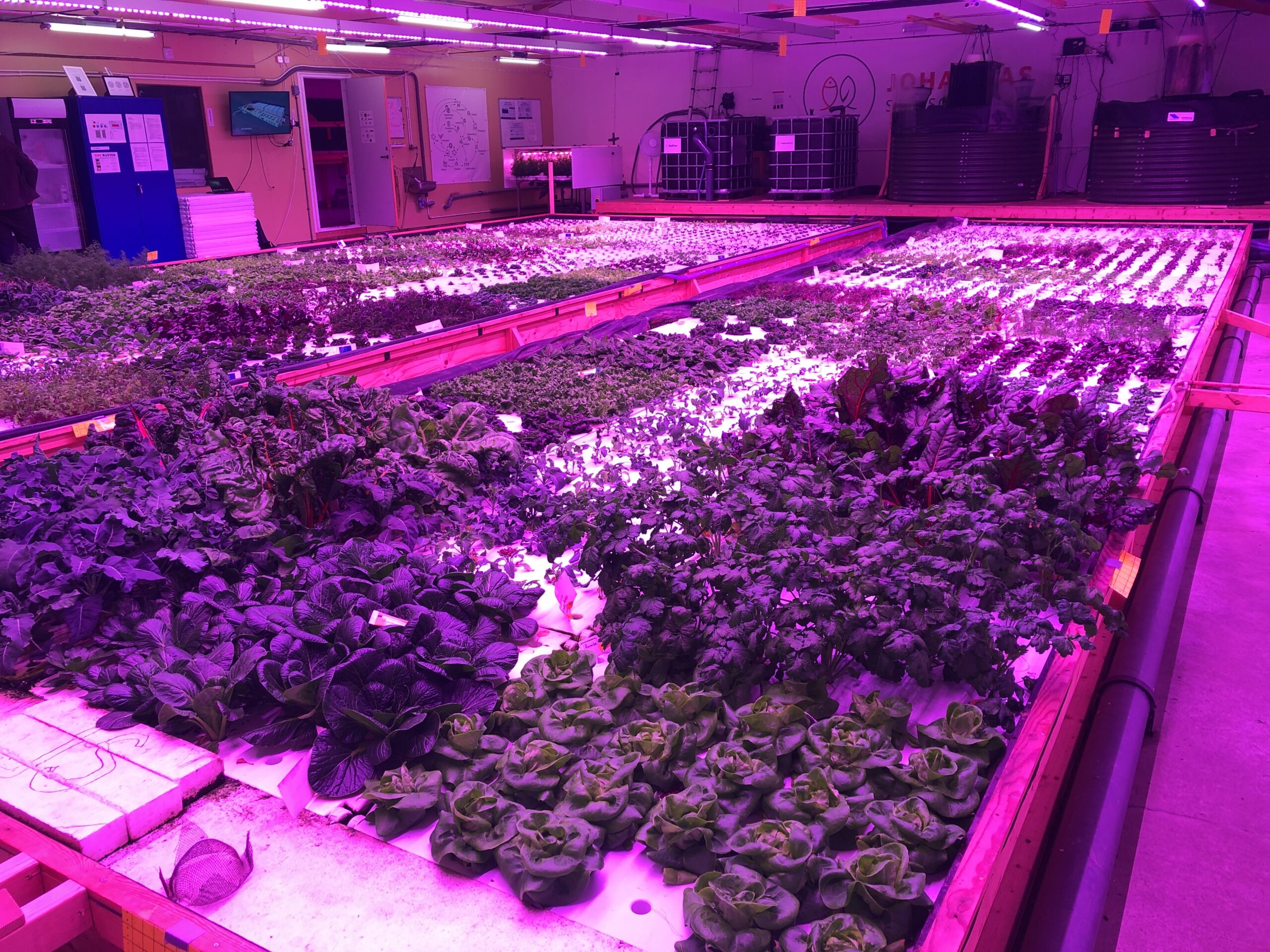
TransFarm project fostered the spread and adoption of circular and soilless farming methods, such as Aquaponics, which is a farming method where fish and vegetables are grown in symbiosis. The project adopted a holistic approach that works across the three dimensions of sustainability to build a more resilient food system. Bringing circular food production to the urban city areas, and growing all year round both vegetables and fish, these both contributed to a reduced environmental impact and improved the access to healthy food, and in addition it created also new jobs.
Results
Expected results
The project main result was the demonstration of potential of resilient circular farming systems that can supplement the food production chain. The main impacts were measured as actual improvements in comparison to conventional farming systems.
The piloting systems built in Sweden, Latvia and Estonia showed how circular farming systems can reduce the use of virgin materials, such as water and soil – the project demonstrated that aquaponics can use up to 10% of the amount of water used for conventional irrigation. Since the system is soil-less, there is no need to increase the use of soil for farming. In addition, the environmental impact of farming concerning nutrient runoffs was reduced substantially. The project showcased a closed loop method, with no run-off of nutrients in the environment.
Duration 01.03.2023 - 28.02.2026
Total budget
Programme priority
Improved environment and resource useProgramme objective
PO3 - Joint circular economy solutionsLead partner
University of TurkuProject News



Project Events
Project Stories
Gallery



Managing Authority
Joint Secretariat
c/o Regional Council
of Southwest Finland
Visiting address: Linnankatu 52 B, Turku, Finland
Mailing address:
P.O. Box 273,
20101 Turku, Finland
E-mail: info@centralbaltic.eu
Phone: +358 40 550 8408
Find TransFarm on social media